
Cold Weather Effects on Garage Door Springs
Cold Weather Effects on Garage Door Springs
Winter brings a beautiful blanket of snow, but it also introduces harsh conditions that can put a serious strain on your home’s mechanical systems. One of the most vulnerable components during a cold snap is your garage door system, specifically, the garage door springs.
We believe that understanding how your home operates is the first step in preventing costly, inconvenient breakdowns. In this guide, we will explore why cold weather garage springs are prone to failure, how to spot the warning signs of trouble, and what steps you can take to keep your door operating safely and smoothly all winter long.
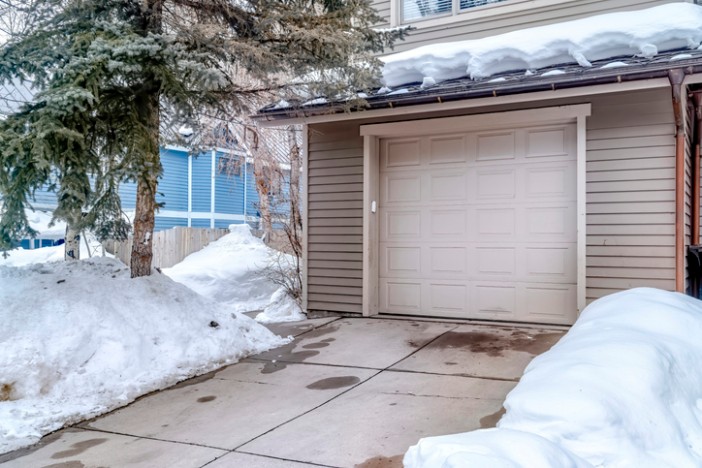
How Garage Door Springs Work
Your garage door is likely the heaviest moving object in your home. While the electric opener directs the movement, the garage door springs do the actual heavy lifting. There’s two primary types of springs used in modern garage doors. Torsion springs are mounted horizontally on a metal shaft directly above the garage door opening. They store energy by winding tightly as the door closes. Extension springs are located on either side of the door, running parallel to the overhead tracks. These springs stretch to store energy when the door is lowered. Under immense tension, these springs counterbalance the weight of the door, allowing it to open and close with minimal effort.
Why Cold Weather Impacts Garage Door Springs
Your garage door springs are made of steel, making them highly susceptible to thermal contraction. When the temperature drops, the steel in your springs becomes rigid, brittle, and less pliable. As the spring undergoes the intense stress of winding or stretching to lift a heavy door, this cold-induced brittleness significantly increases the risk of a sudden snap. Additionally, winter moisture can lead to rust, which creates friction and microscopic fractures in the metal, further accelerating garage spring failure in winter.
Signs of Garage Spring Failure in Winter
A broken garage door spring can be highly dangerous. Signs you may need garage spring repairs include:
- A Loud Bang: If a spring breaks while you are at home, you’ll likely hear a loud, gunshot-like noise coming from the garage. This is the sound of the tightly wound steel suddenly releasing its stored energy.
- The Door Only Opens a Few Inches: If your garage door opener starts to lift the door but stops after a few inches, the safety sensors or the opener itself have likely detected that the spring’s lifting power is gone.
- Visible Gaps in the Spring: A healthy torsion spring is a continuous coil. If you look above your closed door and see a two-to-three-inch gap in the middle of the coil, the spring has snapped.
- The Door Feels Extremely Heavy: If you attempt to pull the emergency release cord and lift the door manually, a broken spring will make the door feel incredibly heavy and nearly impossible to lift.
Frozen Garage Door Issues Homeowners Commonly Face
Beyond the springs themselves, winter weather introduces a host of other frozen garage door issues. One common problem is the rubber weatherstripping at the bottom of the door freezing directly to the concrete driveway. When you attempt to open the door, this icy bond can cause the door to stick. If you force the door open under these conditions, you risk tearing the weatherstripping, burning out your opener’s motor, or putting excessive, sudden force on already brittle springs.
Why Your Garage Door Is Not Opening in Cold Weather
If you find your garage door not opening on cold mornings, the culprit could be one of several issues. These may include:
- Contracted Metal Tracks: Just like the springs, the metal tracks can contract, causing them to bind or warp slightly, which blocks the rollers.
- Thickened Lubricant: Standard grease and lubricants can thicken and become gummy in freezing temperatures, hindering the smooth movement of rollers, hinges, and springs.
- Broken Springs: As mentioned, a snapped spring completely removes the counterbalance force required to lift the door.
Prevent Broken Springs: Winter Garage Maintenance
The best way to handle winter garage door issues is to prevent them entirely. By implementing a few simple garage repair winter tips, you can protect your system from the elements:
- Apply Proper Lubrication: Avoid heavy grease. Instead, use a high-quality, silicone-based or lithium-based spray lubricant designed specifically for garage doors. Lightly coat the springs, rollers, and hinges to reduce friction and repel moisture.
- Keep the Threshold Clear: Regularly sweep snow and ice away from the bottom of your garage door to prevent the rubber seal from freezing to the ground.
- Visual Inspections: Periodically inspect your springs for signs of rust, wear, or separation.
What to Do if a Spring Breaks in Winter
If you experience a broken spring this winter, never attempt to open the door, either manually or with the automatic opener. Operating a door with a broken spring can severely damage the opener’s gear system and pose a serious safety hazard to anyone nearby. Because garage door springs are under high tension, replacing them requires specialized tools and training. For your safety, always contact a certified professional to perform a garage door spring replacement.
Frequently Asked Questions
How Cold Does It Need to Be for Garage Door Springs to Be Affected?
While garage door springs can fail at any temperature if they are near the end of their lifespan, the risk of brittle failure increases significantly once temperatures drop below freezing (32°F / 0°C) and becomes especially high during extreme sub-zero cold snaps.
Can Cold Weather Shorten the Lifespan of Garage Door Springs?
Yes. The added physical stress of thermal contraction, combined with increased moisture from winter snow, can accelerate wear and tear, effectively shortening the operational lifespan of the springs.
Should Garage Door Springs Be Lubricated More Often During Winter?
We recommend lubricating your springs, rollers, and tracks just before winter begins, and once more midway through the season. Be sure to use a cold-weather-rated silicone or lithium spray rather than heavy grease, which can harden in the cold.
Why Does My Garage Door Opener Struggle More in Cold Temperatures?
Cold weather increases friction throughout the entire door mechanism due to metal contraction and hardened lubricants. Additionally, the electric motor itself must work harder to pull the door if the springs are stiff and lose some of their elasticity.
Can Insulated Garage Doors Help Reduce Winter-Related Spring Problems?
Absolutely. Insulated garage doors help regulate the temperature inside your garage, keeping it warmer than the outside air. This moderate environment helps protect the springs from extreme thermal contraction and reduces the likelihood of moisture condensation.
Contact the Winter Garage Experts Today
Better Built Garages is here to help with your frozen or broken garage door. We’ll restore safety and convenience to your home. Contact us today to schedule your service.
When it’s time to replace or upgrade your garage door opener, choosing the right motor is an important decision. One of the biggest considerations is…
How to Test the Auto-Reverse Feature on Your Garage Door
For most of us, the garage door is the largest and heaviest moving object in our homes. We…