
Garage Door Auto-Reverse Feature: Why It Matters and How to Test It
How to Test the Auto-Reverse Feature on Your Garage Door
For most of us, the garage door is the largest and heaviest moving object in our homes. We rely on it daily to secure our vehicles, store our belongings, and serve as a primary entrance to our living spaces. Because these doors operate under immense tension and carry significant weight, ensuring their built-in safety mechanisms function properly is paramount to the safety of your family, pets, and property.
At the heart of modern garage door safety is the garage auto reverse feature. This guide will walk you through how this essential system works, why it matters, and how you can perform a simple garage door safety check at home.
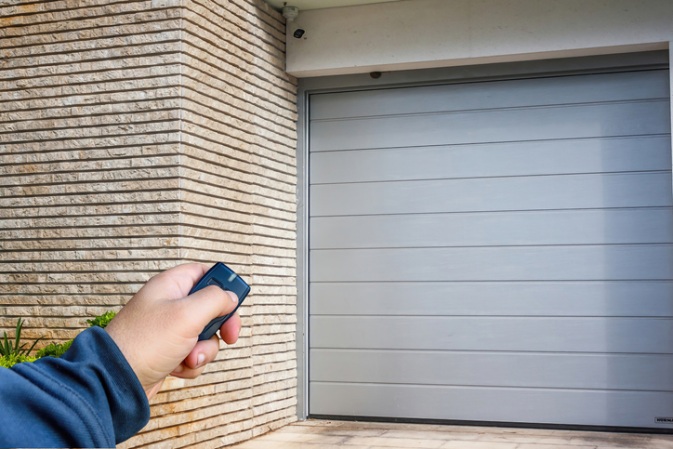
Understanding the Garage Auto-Reverse Feature
Since 1993, federal law has mandated that all residential garage door openers manufactured or installed in the United States must include safety mechanisms to prevent entrapment. The primary defense against accidents is the automatic reverse system. This system operates on two distinct mechanisms:
- Physical Force Resistance: If the door encounters a physical obstruction while closing, the opener detects the sudden resistance and immediately reverses direction, sending the door back to the fully open position.
- Photoelectric Safety Eyes: These are small sensors located near the floor on either side of your garage door opening. They project an invisible infrared beam. If anything breaks this beam while the door is closing, the system instantly halts and reverses the door.
Why the Auto-Reverse Feature Matters
The primary purpose of the garage safety system is to prevent accidents. A closing garage door can exert enough force to cause serious injury or significant property damage. The auto-reverse feature matters because:
- Child and Pet Safety: Toddlers and pets are small, fast, and often unaware of the dangers of a moving garage door. The auto-reverse feature provides crucial child safety garage protection, ensuring that even if a child runs under a closing door, the system will react instantly to prevent harm.
- Property Protection: Whether it’s a misplaced bicycle, a bumper of a car left slightly too far forward, or a trash can in the doorway, the auto-reverse system prevents your door from crushing your belongings and damaging the door itself.
- Peace of Mind: Knowing your safety mechanisms are fully operational allows you to operate your door daily with absolute confidence.
How Garage Door Safety Sensors Work
The photoelectric sensors are mounted four to six inches above the garage floor. One sensor acts as the transmitter, sending an infrared light beam to the receiving sensor on the opposite side. For the door to close normally, these sensors must be properly aligned, clean, and receiving power. If the path between them is obstructed or if the sensors fall out of alignment, the door opener receives a signal that the pathway is blocked, triggering the auto-reverse command as a safety precaution.
How to Test the Garage Safety Mechanism
Performing a regular test garage safety mechanism routine is simple, quick, and requires no special tools. We recommend performing these two tests monthly:
Test 1: The Block of Wood (Force Test)
Place a solid object, such as a 2×4 piece of wood or a roll of paper towels, flat on the garage floor directly in the path of the door.
Stand inside the garage near the wall button and press it to close the door.
As the door descends and strikes the object, it should immediately stop and reverse back to the fully open position.
If the door strikes the object, continues to press down, or does not reverse, your force settings may be incorrect, indicating a door reversing issue.
Test 2: The Wave Test (Photoelectric Sensor Test)
Press the wall button to close your garage door.
While the door is moving downward, wave an object through the path of the infrared beam between the two sensors.
The door should instantly stop and reverse to the open position, and the opener light will typically flash to signal an obstruction.
If the door continues to close despite the beam being broken, your sensors are not functioning correctly.
Warning Signs of Door Reversing Issues
Keep an eye out for red flags suggesting your safety features are compromised or that your auto reverse isn’t working. These include:
- The door closes partially, stops, and reverses for no apparent reason.
- The overhead opener light flashes repeatedly when you try to close the door.
- The door fails to reverse when it hits an obstacle during your monthly test.
- You have to hold down the wall button continuously to get the door to close fully.
Common Garage Door Safety Mistakes
If you have questions about your garage door sensors, Better Built Garages is always here to answer them. The most common garage door safety mistakes include:
- Neglecting Regular Tests: Assuming the door works fine just because it opens and closes daily is a mistake. Safety features must be actively tested.
- Improper Sensor Height: Installing sensors too high can allow small pets or objects to get underneath the beam without triggering the safety reverse.
- DIY Spring or Force Adjustments: Attempting to adjust the garage door springs or force limits without professional training is highly dangerous. Garage springs are under immense tension and can cause severe injury if mishandled.
Frequently Asked Questions
How Often Should I Test My Garage Door’s Auto-Reverse Feature?
You should perform both the force test and the sensor test once a month. It only takes a few minutes and ensures your system remains compliant with safety standards year-round.
Can Weather Conditions Affect Garage Door Safety Sensors?
Yes. Heavy rain, snow, direct sunlight shining directly into the receiver lens, or dirt and debris built up during storms can temporarily disrupt the sensor beam, causing the door to reverse unexpectedly.
Why Does My Garage Door Reverse Even When Nothing Is Blocking It?
This is often caused by dirty sensor lenses, slightly misaligned safety eyes, or worn-out rollers, causing the door to bind in its tracks. When the door binds, the opener senses the physical resistance and treats it as an obstruction, triggering a reverse.
Can Pets Trigger the Garage Door Auto-Reverse System?
Yes. If a pet runs through the infrared beam while the door is closing, the door will immediately stop and reverse, keeping your pet safe.
What Should I Do if One Sensor Light Is Off?
A dark indicator light usually means the sensor has lost power, the wire is disconnected, or the sensors are misaligned. Clean the lenses, ensure the wires are securely connected to the back of the sensor, and gently nudge them back into alignment until the indicator lights on both unit’s glow steadily.
Keep Your Home Safe with Professional Care
Better Built Garages is your go-to garage door team in Chicago, IL. If your garage door failed safety tests, or if you suspect your auto-reverse system is malfunctioning, we’re here to help. We can quickly diagnose sensor alignment issues, recalibrate opener force settings, and perform a comprehensive safety inspection on your entire system. Contact our team today to schedule your garage door safety inspection or repair service.
When it’s time to replace or upgrade your garage door opener, choosing the right motor is an important decision. One of the biggest considerations is…
Cold Weather Effects on Garage Door Springs
Winter brings a beautiful blanket of snow, but it also introduces harsh conditions that can put a…