
Seasonal Garage Door Care Checklist: Spring, Summer, Fall, Winter
Seasonal Garage Door Care Checklist to Maintain Safety All Year Long
Living in Chicago means navigating four distinct, often intense seasons. From the humid heat of July to the sub-zero freezes of January, the local climate puts immense stress on your home’s exterior. While we often focus on roofs and windows, the garage door is frequently the largest moving part of the home and the most neglected. A garage door isn’t just a barrier. It’s a complex system of springs, cables, rollers, and tracks. Neglecting garage door maintenance can lead to inconvenient breakdowns, compromised home security, and expensive emergency repairs. By following a seasonal schedule, you can extend your door’s lifespan, improve energy efficiency, and ensure your family’s safety. As you read below, we’ll break down exactly what you need to do each season to keep your system running smoothly, specifically tailored for the demands of the Midwest climate. If you’re looking for a well-rounded option for year-round use, contact us at Better Built Garages to learn more about all-season garage doors.
Understanding All-Season Garage Doors
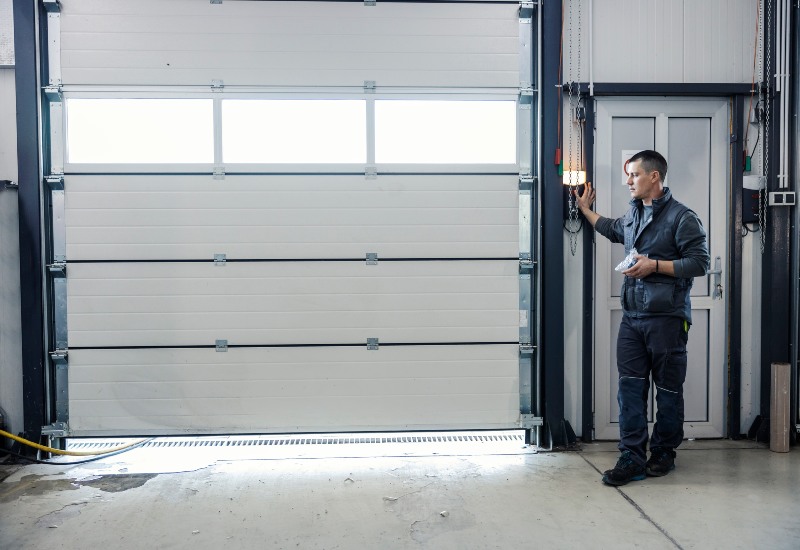
Before diving into maintenance, it is helpful to understand what separates a standard door from a high-performance one. All-season garage doors are engineered to handle extreme temperature fluctuations. In a place like Chicago, insulation is the primary factor. Doors with high R-values (a measure of thermal resistance) usually feature polyurethane foamed-in-place insulation. This not only keeps the cold out during winter but also adds structural rigidity to the door panels. If you have an uninsulated door, your seasonal maintenance is even more critical, as the metal creates a thermal bridge that can freeze moving parts more easily than insulated models. Regardless of the model you own, a proactive approach is the only way to prevent mechanical failure.
Spring Garage Door Checklist: Refresh After Winter
Spring is about recovery. Winter takes a heavy toll on garage door components due to road salt, moisture, and freezing temperatures. Once the thaw begins, your goal is to clean and inspect.
- Wash and Inspect the Panels: Chicago winters involve plenty of road salt. Even if you don’t park inside, salt spray from passing cars can accumulate on your door. Steel doors are susceptible to rust if salt isn’t washed away. Use a mild detergent and a soft car wash mitt to clean the exterior. While washing, look for paint chipping or rust spots that formed during the cold months.
- Lubricate Moving Parts: Cold weather often dries out grease. Apply a high-quality silicone spray or white lithium grease to the rollers, hinges, and tracks.
- Check the Balance: Disengage the opener (pull the red cord) and manually lift the door halfway. It should stay in place. If it slams shut or shoots up, your torsion springs are out of balance and require professional adjustment.
Summer Preparation for Garage Doors
Summer preparation for garage doors focuses on protection against heat, humidity, and storms. High humidity can cause wood doors to swell, and heavy rains can exploit weak seals.
- Test Safety Features: With kids out of school and playing in the driveway, safety is paramount. Test the auto-reverse mechanism by placing a 2×4 board on the ground where the door closes. If the door hits the wood and doesn’t immediately reverse, your sensors or opener force settings need adjustment.
- Protect the Finish: The sun’s UV rays can fade and degrade your door’s finish. For steel doors, apply a coat of liquid car wax to protect the paint. If you have a wooden door, check for peeling or cracking. Summer is the ideal time to sand and refinish the wood to prevent rot.
- Inspect for Pest Entry: Insects and rodents look for cool places during the summer heat. Check the perimeter of the door frame. If the weatherstripping is cracked or brittle, replace it. A tight seal keeps the cool air in and the pests out.
Fall Maintenance Checklist: Preparing for Cold Weather
Fall is the most critical time for seasonal garage door maintenance. You are fortifying your home against the incoming freeze. Addressing minor issues now prevents you from being stuck with a broken door in zero-degree weather.
- Check the Bottom Seal: The rubber strip at the bottom of the door (the astragal) is your first line of defense against snow and drafts. If it is cracked or flat, replace it immediately. A fresh seal prevents water from freezing the door to the ground.
- Battery Replacement: Cold weather drains batteries. Proactively replace the batteries in your remote controls and your exterior keypad. If your opener has a battery backup system, test it to ensure it holds a charge.
- Clear the Tracks: Autumn leaves can easily blow into the garage tracks. Debris in the track creates friction, forcing the motor to work harder. Vacuum out the tracks to ensure a smooth path for the rollers.
- Tighten Hardware: Temperature changes cause metal to expand and contract, which loosens bolts and screws. Go through the door hardware with a socket wrench and tighten any loose brackets or hinges.
Winter Garage Door Care: Protect Against Freeze and Strain
Once the deep freeze hits, your focus shifts to damage control and accessibility. Winter garage door care is about treating the machinery gently. Metal components become brittle in extreme cold, and thick grease can turn into a paste that jams the system.
- Monitor for Frozen Thresholds: If water pools at the bottom of your garage opening, the door can freeze to the concrete. Never force the opener if this happens; you will strip the gears or burn out the motor. Use a heat gun or hot water to carefully melt the ice, then dry the area.
- Keep Sensors Clear: Snowdrifts or even snowblower accumulation can block the photo-eye sensors. If your door opens but refuses to close, check the sensors for snow or fogging lenses before calling for repair.
- Listen for Strain: Listen to your door when it opens. Grinding, squeaking, or straining noises are exacerbated by the cold. If the door sounds like it is struggling, do not ignore it. It is often a sign that the springs are near their breaking point.
Why Choose Better Built Garages & Doors for Year‑Round Care
While many of these checklist items are DIY-friendly, the high-tension components of a garage door can be dangerous to handle without proper training. At Better Built Garages, we understand the unique challenges of the Chicago climate. We provide comprehensive solutions that keep your home secure and energy-efficient year-round.
- Local Expertise: We know exactly which insulations and materials stand up to Illinois winters.
- Comprehensive Tune-Ups: Our 25-point inspection covers everything from torque checks to sensor alignment.
- Emergency Service: When a spring snaps at 7 AM on a Tuesday in February, we are the team that shows up to get you on your way.
5 FAQs About Garage Door Maintenance
Maintaining your garage door is essential to ensuring your family’s safety and extending the lifespan of one of your home’s most-used entry points. Regular upkeep not only prevents costly emergency repairs but also helps preserve your home’s temperature during extreme weather shifts. To help you better understand the nuances of keeping your system in peak condition, we have compiled the most common questions homeowners ask about professional garage door care.
- How often should I lubricate my garage door? You should lubricate the moving parts (rollers, hinges, springs) every three to six months. If you live in an area with high salt usage, like Chicago, quarterly lubrication is recommended.
- Can I replace a broken spring myself? Garage door springs are under immense tension. Attempting to repair or replace them without the proper tools and training can result in severe injury or death. Always hire a professional for spring repairs.
- Why is my garage door opening slowly in the winter? This is usually caused by lubrication thickening in cold conditions or by the metal tracks contracting. Cleaning old grease and applying a winter-grade silicone lubricant usually solves the issue.
- What is the best R-value for a garage door in Chicago? For an attached garage in the Midwest, look for a door with an R-value of at least 12. If you have a bedroom above the garage, aim for an R-value of 16 or higher for maximum thermal efficiency.
- How do I know if my garage door needs a tune-up? If the door is noisy, moves unevenly, shimmies while opening, or if the opener strains to lift it, it is time for a professional inspection.
Protect Your Investment
Your garage door is a workhorse that protects your vehicles, tools, and home. By following this seasonal checklist, you can prevent costly repairs and ensure your door operates safely regardless of the weather. If you suspect your door needs more than a simple cleaning, or if you are ready to upgrade to a high-performance all-season model, contact us today.

Garage Door Warranty Guide to Help Homeowners Understand Coverage
Your garage door is likely the largest moving object in your home. It serves as…
Eco Friendly Garage Door Solutions
Homeowners across Chicago are increasingly looking for ways to reduce their carbon footprint. While solar panels…