
How to Choose the Right Shed Foundation for Your Installation
How to Choose a Shed Foundation for Your Installation
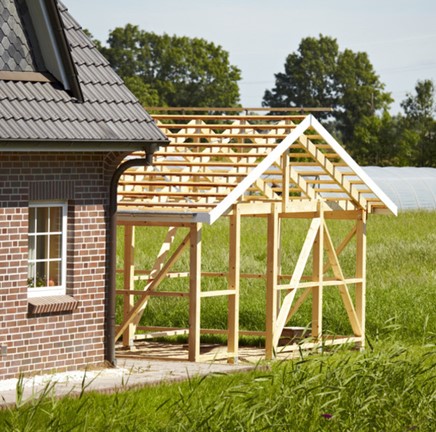
A new shed can be a fantastic addition to your backyard, offering much-needed storage for tools, gardening equipment, or a space for your hobbies. However, before you begin assembling the walls and roof, understanding how to choose a shed foundation for your installation in Chicago and Northwest Indiana is a crucial step. Skipping this step is like building a house on sand: It might look fine at first, but it won’t be long before problems start to appear. Below, we’ll walk you through everything you need to know about shed foundations, including the different types available, pros and cons, and the precise steps to take to help you make the best choice for your needs.
Why It’s Important to Build a Shed Foundation
A solid foundation is essential for the structural integrity and longevity of your entire outbuildings. Without a proper base, your shed is vulnerable to a host of problems that can be costly and difficult to fix down the line. First and foremost, a foundation provides a stable, level base. The ground in your yard is rarely perfectly flat. A purpose-built foundation corrects for these imperfections, ensuring your shed’s frame sits squarely. An unlevel shed will warp over time, causing doors to stick and windows to jam.
In addition, a foundation anchors the shed, preventing it from shifting or settling. Soil expands and contracts in response to changes in temperature and moisture, and without a stable base, your shed will move with it. This movement can cause the structure to become uneven, stress the joints, and eventually lead to significant structural damage. For windy areas, a well-anchored foundation also keeps the shed from being lifted or toppled during severe storms. In short, investing time and effort into the right foundation is the best way to guarantee your new shed remains a valuable and functional part of your property.
Determine the Size Needs for Your Shed’s Foundation
Before you can choose a foundation type, you need to know the correct size. A common mistake is to build a foundation that’s exactly the same size as the shed’s footprint. While this might seem logical, it can lead to problems with water drainage. A better approach is to make the foundation slightly larger than the shed itself. Extend the foundation at least one foot beyond the shed’s dimensions on all sides. This extra space creates a perimeter that helps direct rainwater away from the base of the shed, further protecting it from moisture. It also provides a stable, clean area to walk around the shed.
When marking out the area for your foundation, use stakes and string to create a clear outline. Measure the diagonals of the rectangle or square you’ve marked. If the two diagonal measurements are equal, you know your corners are perfectly square. Taking the time to get the size and layout right at this stage is a crucial step in our shed foundation guide and will save you from many headaches during the installation process.
Consider Your Shed’s Weight
The weight of your shed is a significant factor in determining the most suitable foundation. A lightweight, plastic utility shed has different support needs than a large, two-story wooden workshop filled with heavy machinery. Matching the foundation to the shed’s weight ensures long-term stability and prevents settling. For small, lightweight sheds made of plastic or resin, a simple on-grade foundation, such as a gravel pad, is often sufficient. These sheds don’t exert much pressure on the ground, so an elaborate concrete base isn’t necessary. The main goal for these structures is to provide a level surface and prevent direct contact with the damp ground.
For medium-sized sheds, you’ll need a more robust foundation. A reinforced gravel pad with a timber frame or concrete pavers can provide adequate support. These foundations distribute the shed’s weight more evenly and are better at resisting settling over time.
For large, heavy sheds (especially those intended for use as workshops, garages, or for storing heavy equipment), a permanent, frost-proof foundation is necessary. A reinforced concrete slab is the most common and reliable choice in this category. The weight of the shed, combined with its contents, requires the unyielding support that only concrete can provide. Failing to use a strong enough foundation for a heavy shed will almost certainly lead to structural failure.
Types of Shed Foundations
Shed foundations can be categorized into two main groups: on-grade and frost-proof. Understanding these shed foundation types is key to making an informed decision:
- On-Grade Foundations – These are simpler, more affordable foundations that sit directly on top of the ground or a prepared layer of gravel. They’re suitable for smaller, lighter sheds in climates with mild winters. Because they don’t extend below the frost line, they can be susceptible to shifting as the ground freezes and thaws. Common on-grade options include gravel pads and skid foundations.
- Frost-Proof Foundations – These are more substantial, permanent foundations designed for larger, heavier sheds or for use in regions with cold winters. They extend below the frost line, anchoring the foundation in stable soil that isn’t affected by frost heave. This prevents the shed from moving and ensures long-term stability. Poured concrete slabs and pier-and-beam foundations are examples of frost-proof systems.
Other Types of Shed Foundations
Choosing the right foundation for your shed is crucial to ensure its stability, durability, and protection from the elements. Here’s a closer look at some of the most popular shed foundation ideas:
- Gravel Pad With Timber Frame – This is one of the most popular and cost-effective shed foundation options. It involves creating a level frame, usually from pressure-treated lumber, and filling it with several inches of compacted gravel. Gravel pads offer excellent drainage, which is a major plus for protecting the shed floor from rot.
- Concrete Paver Foundation – This foundation uses concrete pavers laid over a bed of sand and gravel. It creates a solid, stable, and attractive surface. While it can be more labor-intensive to get all the pavers perfectly level, it’s a durable option for small to medium sheds and offers good drainage if installed correctly.
- Concrete Slab Foundation – A poured concrete slab is the gold standard for a permanent, heavy-duty shed foundation. It involves pouring a four-inch-thick layer of concrete over a base of compacted gravel, often reinforced with steel rebar. Concrete slab foundations provide the most stable and durable base possible. However, it’s also the most expensive and labor-intensive option.
- Deck Blocks – This method uses precast concrete blocks with built-in sockets for wooden posts. The blocks are placed on level ground or gravel pads, and a wooden floor frame is built on top. It’s a relatively easy and adjustable system that elevates the shed for excellent airflow. Deck blocks work well for sheds on sloped ground, but may not be suitable for heavy structures.
How to Install a Shed Foundation
While the exact steps on how to install a shed foundation vary by type, the general process follows a similar pattern. Here’s a basic overview of how to build a shed foundation, using the popular gravel pad with a timber frame as an example:
- Site Preparation – Clear the area of all grass, rocks, and debris. The site should be as level as possible to start.
- Excavation – Dig out the area for your foundation to a depth of about six to eight inches. Ensure the base of the excavated area is level and compacted to ensure stability.
- Build the Frame – Construct a rectangular frame using pressure-treated 4×4 or 4×6 lumber. Secure the corners with long screws or rebar. Place the frame in the excavated area and make sure it’s level, shimming with flat stones if necessary.
- Add Weed Barrier – Lay down a heavy-duty landscape fabric inside the frame. This will prevent weeds from growing up through your foundation.
- Fill With Gravel – Add a four-to-six-inch layer of ¾-inch crushed stone or gravel. Spread it evenly within the frame.
- Compact the Gravel – Use a hand tamper or a rented plate compactor to firmly compact the gravel. This is a crucial step to prevent settling. Level again and add or remove gravel as needed until the entire surface is flat and solid.
Find Your Perfect Fit! Contact Us Today.
Choosing the proper shed foundation is an investment in the life of your new structure. By considering your shed’s size, weight, and your local climate, you can select a foundation that provides the stability and protection needed for long-term durability. From a simple gravel pad to a permanent concrete slab, the right base will ensure your shed doors swing freely, the floor stays dry, and the entire structure remains level and secure for decades. If you need help choosing the right shed foundation, contact Better Built Garages & Doors today. We’ll provide expert advice and professional guidance to ensure your shed stands strong for years to come.