
Garage Door Safety Features Every Homeowner Should Know
Important Garage Door Safety Features for Every Homeowner
Without the proper safety mechanisms in place, your garage door can pose risks to family members, pets, and property. Understanding how your system operates is the first step toward a safer home. Whether you’re looking to upgrade an existing system or you want to verify that your current setup is up to code, knowing the garage door safety features available today in Chicago is essential.
Why Garage Door Safety Matters More Than Ever
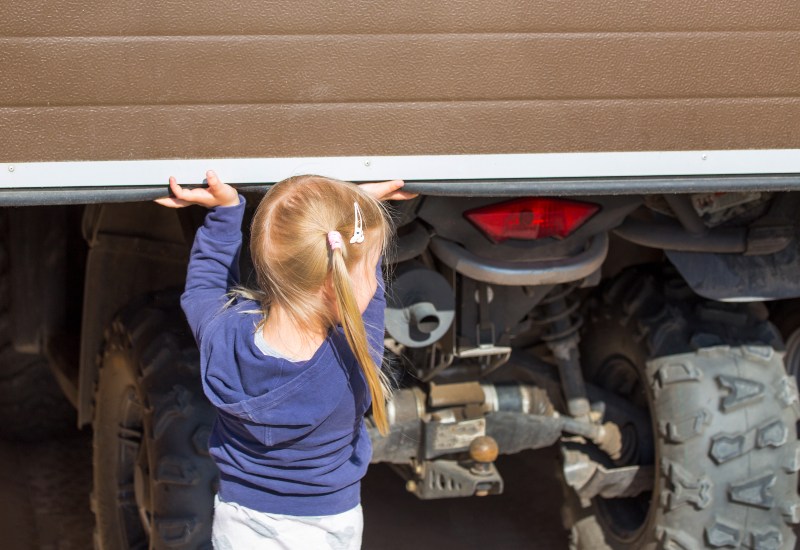
We often take the smooth operation of our garage doors for granted. You press a button, and the door opens. You press it again, and it closes. However, the U.S. Consumer Product Safety Commission reports that thousands of injuries related to garage doors occur annually. These incidents range from minor pinches to serious impact injuries.
Additionally, a compromised garage door is a weak point in your home’s security. Intruders view outdated garage systems as easy targets. By ensuring your system is equipped with the latest safety technology, you’re preventing physical accidents while also fortifying the security perimeter of your home against unauthorized access.
Photoelectric Safety Sensors: Eyes at the Base of Your Door
Photoelectric sensors are at the top of the list of what safety features a garage door should have. These sensors are mounted on the door tracks, roughly six inches above the floor, and work by sending an invisible infrared beam from one unit to the other. If this beam is broken by a person, pet, or object while the door is closing, the system instantly triggers the door to stop and reverse direction. This non-contact reversal prevents the door from making contact with the obstruction. To ensure these sensors work correctly, homeowners should:
- Regularly clean the sensor lenses to remove dust and cobwebs
- Check that the LED lights on both sensors are glowing steadily, indicating the beam is aligned.
- Keep the area near the tracks clear of debris that could accidentally trip the sensors.
Motion & Obstruction Detection Technology
While photoelectric safety sensors detect obstacles without contact, the auto-reverse mechanism serves as the primary contact-safety feature of modern garage doors. Federal law mandated this feature in the early 1990s, requiring that a closing door reverse if it physically encounters an object. If the photoelectric sensors fail or if an object isn’t blocking the beam (such as a car bumper that’s higher than the sensors), the pressure sensitivity of the door acts as a backup. When the bottom of the door contacts an object, the motor senses the resistance and pulls the door back up. To test this feature, place a solid object, such as a 2×4 block of wood, flat on the floor in the center of the door opening and push the close button. When the door strikes the wood, it should automatically reverse. If it stays on the wood, your force setting may need to be adjusted by a professional.
Garage Door Motor Safety Features
When evaluating garage door motor safety features, look for adjustable force settings. These allow the installer to define exactly how much power the opener uses to move the door. If the door requires more force than the limit allows, the motor stops. This prevents the opener from pulling a damaged door up or pushing a blocked door down, which could cause catastrophic failure.
Another critical component is the battery backup system. In the event of a power outage, a battery backup ensures you’re not trapped inside or locked outside. This is particularly vital during emergencies, such as severe weather or fires, where relying solely on electrical power could be dangerous.
Child & Pet Safety Considerations
Beyond the mechanical and digital features, physical components play a role in safety. The manual release handle allows you to disconnect the door from the opener during a power failure or malfunction. However, this cord should be maintained carefully. It needs to be accessible to adults, but shouldn’t hang so low that a child could pull it and accidentally drop a heavy door.
In addition, homeowners should look for tamper-resistant bottom brackets. These brackets, which are under extreme tension from the cables and springs, are designed to prevent accidental loosening by non-professionals, reducing the risk of severe injury during DIY attempts.
Frequently Asked Questions
Can I Install Safety Sensors on an Older Garage Door?
In many cases, yes. However, if your garage door opener was manufactured before 1993, it may not support standard safety sensors. In this situation, the safest option is usually to replace the entire opener unit with a modern model that includes current safety technology.
How Often Should I Test My Garage Door Safety Features?
We recommend performing monthly visual inspections and tests. This includes checking the auto-reverse mechanism with a block of wood and waving an object through the photoelectric sensors to ensure the door reverses.
Is it Safe to Repair Garage Door Springs Myself?
No. Garage door springs are under immense tension. If a spring snaps or is unfastened incorrectly during a DIY repair, it can cause severe injury or property damage. Always contact a professional technician for spring issues.
Protect Your Home With Modern Garage Door Safeguards
A safe home is a happy home, and the garage is a significant part of that equation. By familiarizing yourself with these mechanisms, from the invisible protection of sensors to the digital security of rolling codes, you can better protect your household. If you suspect your system lacks these essential safeguards or if your current components are malfunctioning, don’t wait for an accident to happen. Contact Better Built Garages today to have your system inspected. Regular maintenance and timely upgrades ensure that your garage door remains a convenience rather than a liability.

A Step-by-Step Guide to Aligning Garage Door Sensors
If your garage door starts closing and suddenly reverses, refuses to close at all, or leaves…
How to Avoid Garage Door Scams and Costly Repair Mistakes
Garage door problems often happen without warning, leaving homeowners eager to get the…